Available
LOTUS Glass
Windows, doors, curtain wall, skylights, glass railings, canopies and exterior glazing.
Explore the system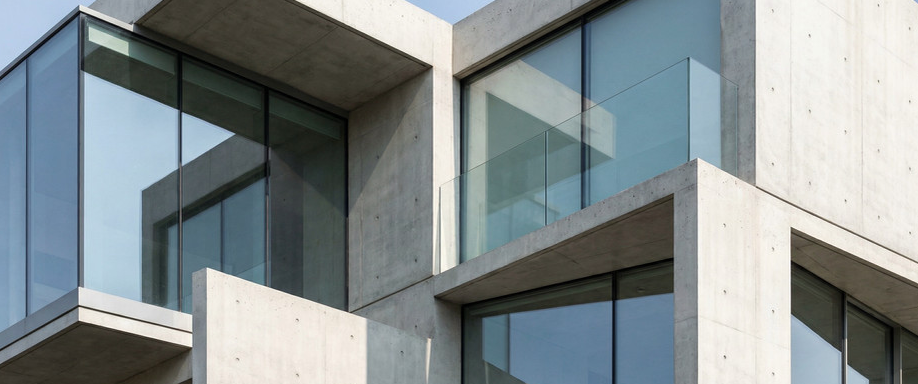
The LOTUS surface platform
Protection is selected around the substrate, with material-specific treatments, controlled preparation, representative testing and a practical aftercare plan.
A dedicated treatment for each substrate
LOTUS Glass, Stone, Concrete, Wood, Metal and Fabric share a common purpose: reduce wetting, help common environmental deposits release more readily and make planned care less demanding. Product selection, preparation, application and acceptance criteria are matched to the material being protected.
Windows, doors, curtain wall, skylights, glass railings, canopies and exterior glazing.
Explore the systemGranite, limestone, marble, travertine, façade cladding, coping and architectural stone.
Cast-in-place, precast, béton brut and unfinished architectural concrete.
Trellises, gates, fencing, lattice, screens and exterior architectural wood.
Stainless steel, selected finished metals and sublimated wood-grain components.
Awnings, canopies, dividers, cushions and selected exterior textiles.
What the systems have in common
The visible benefit is a cleaner-looking façade. The operational benefit is a surface that is easier to care for without immediately reaching for more pressure, stronger chemicals or more labor.
Water forms tighter droplets with a higher contact angle instead of spreading as broadly.
Many common environmental deposits have less opportunity to anchor firmly.
The surface can retain a cleaner appearance between planned maintenance visits.
Routine cleaning can become faster, gentler and more predictable.
Surface application gallery
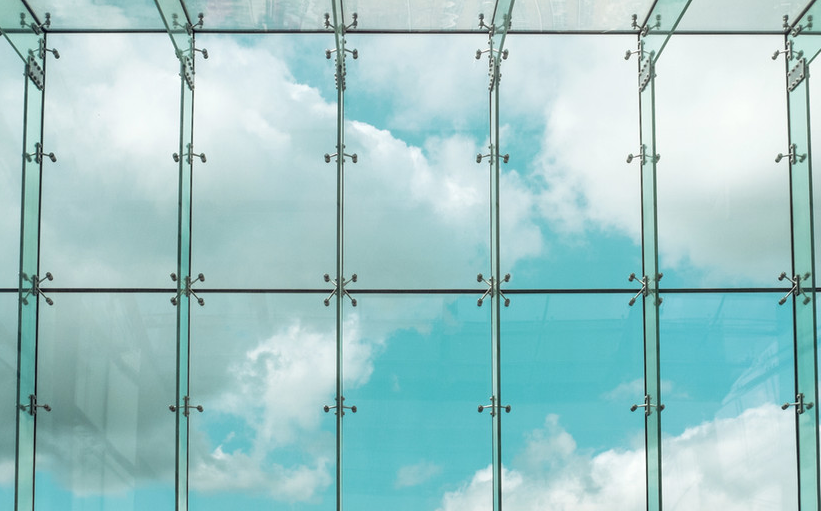
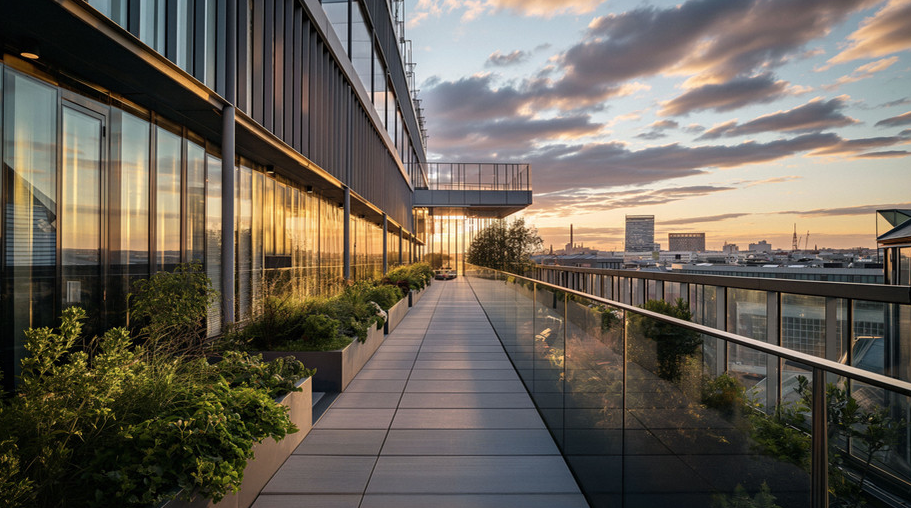
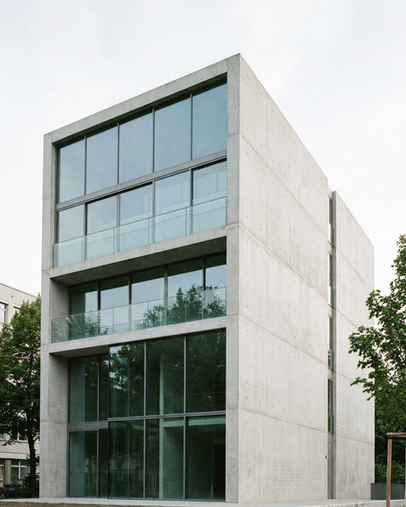
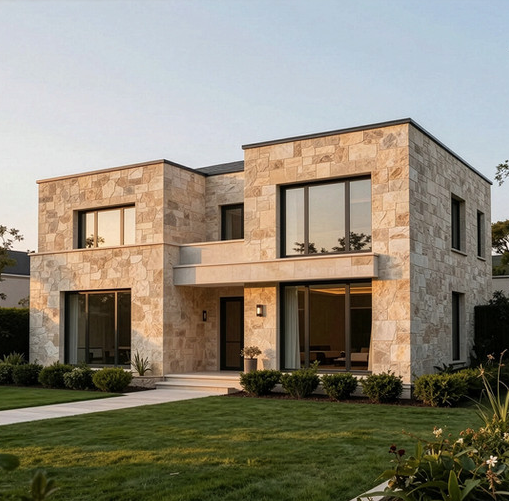
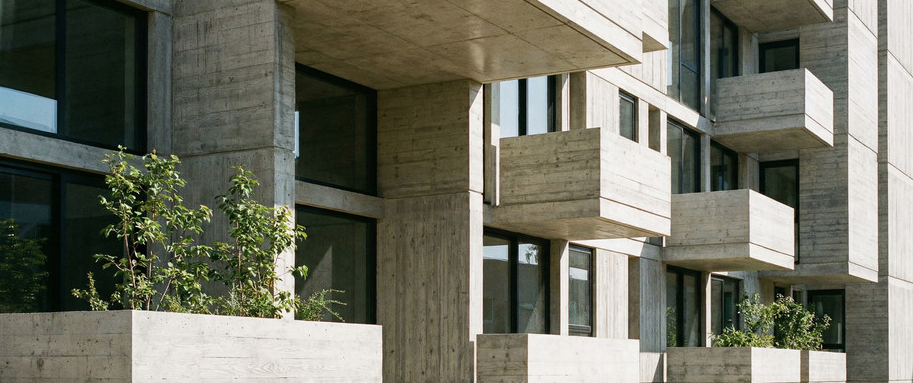
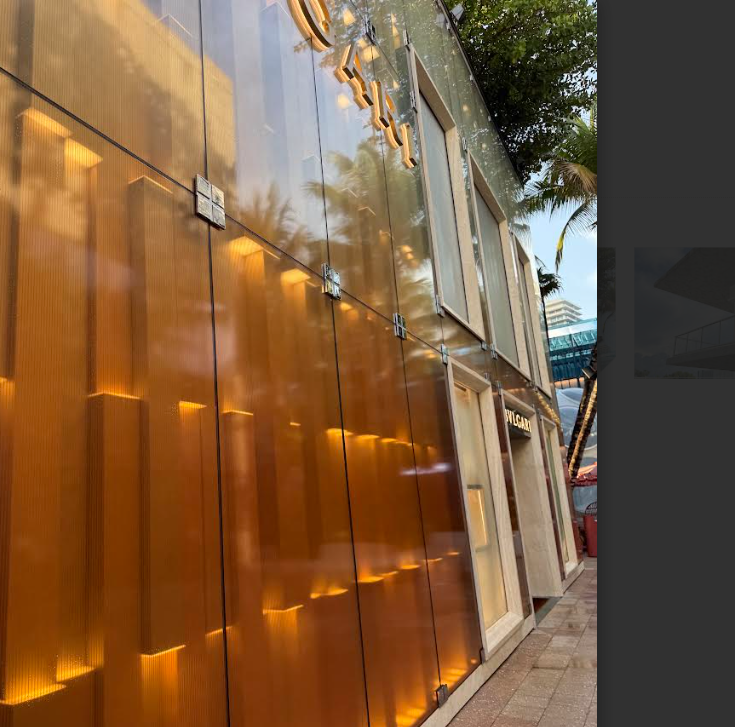
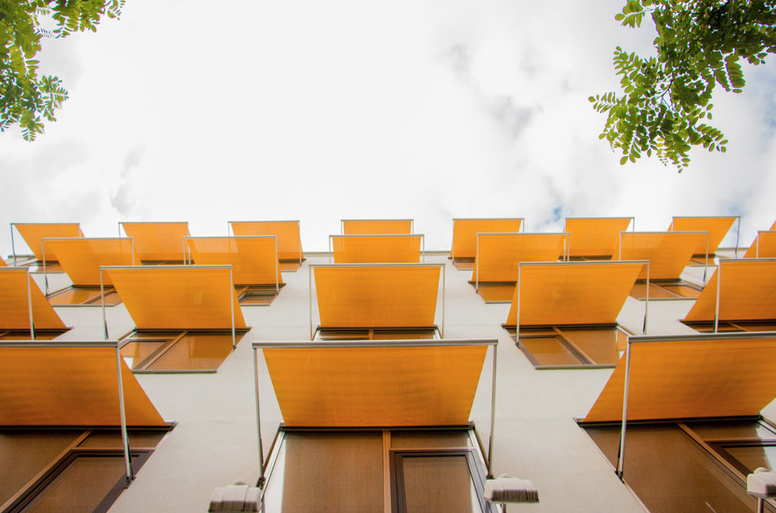
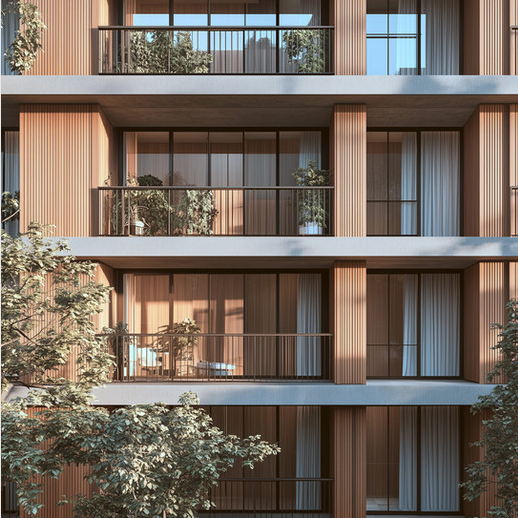
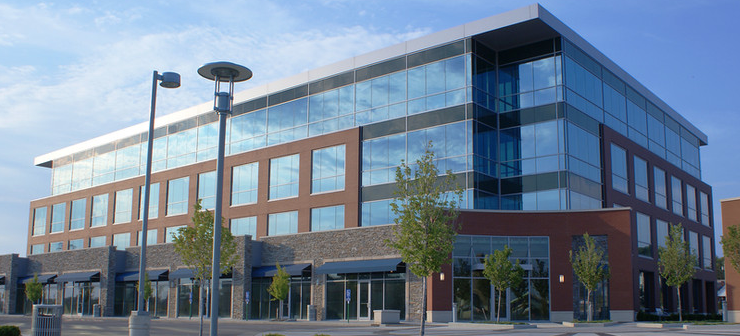
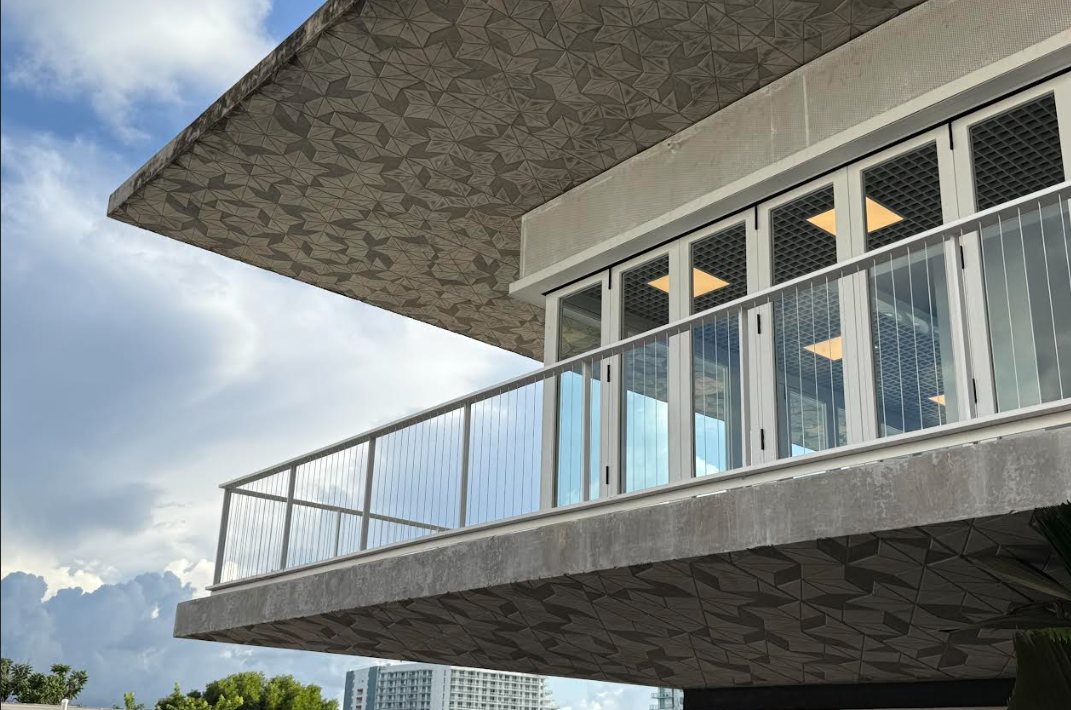
These images illustrate the kinds of monumental, commercial and residential surfaces LOTUS is designed to protect. Final system selection always follows substrate confirmation and a representative test.
Transparency
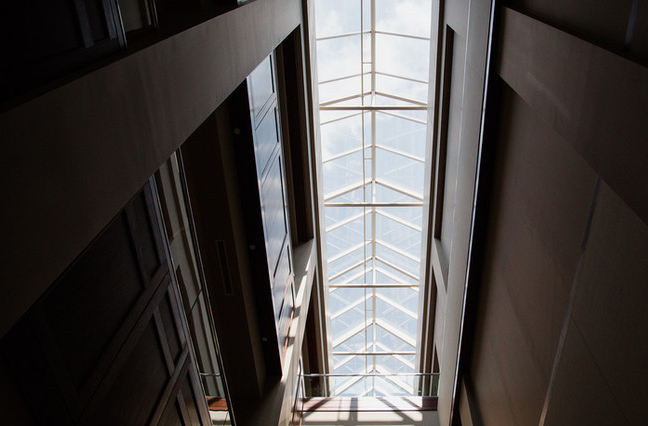
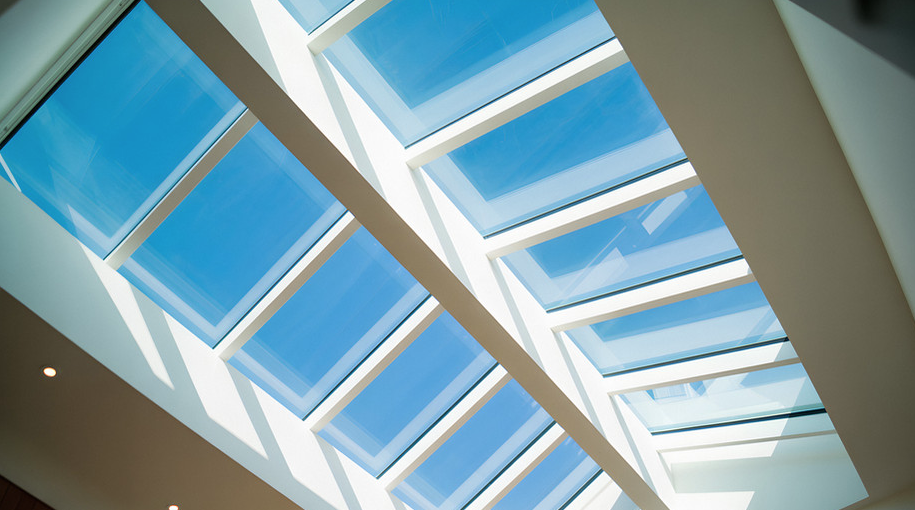
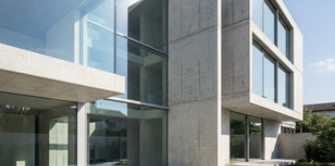
On transparent architecture, every spot is visible. LOTUS Glass is intended for compatible architectural glazing where rain, irrigation, coastal salt, fingerprints and mineral-bearing water create recurring appearance and access demands.

Porous mineral surfaces
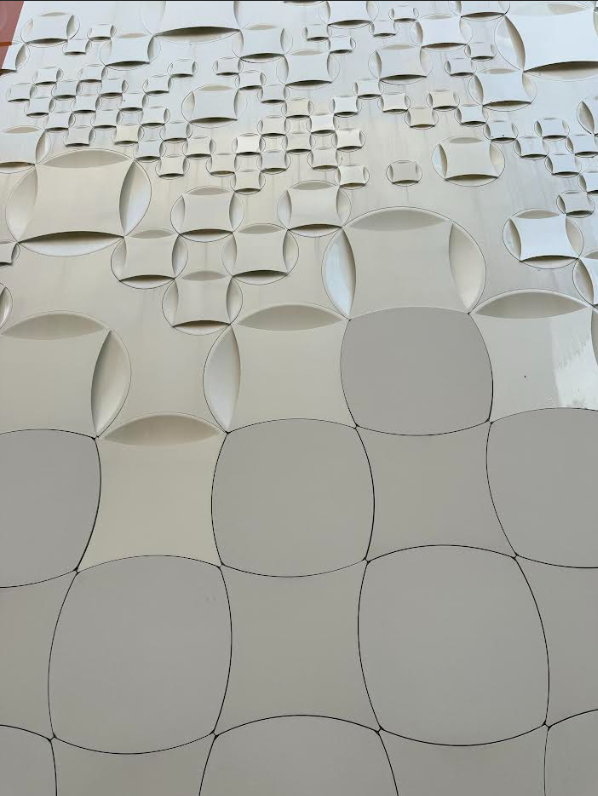
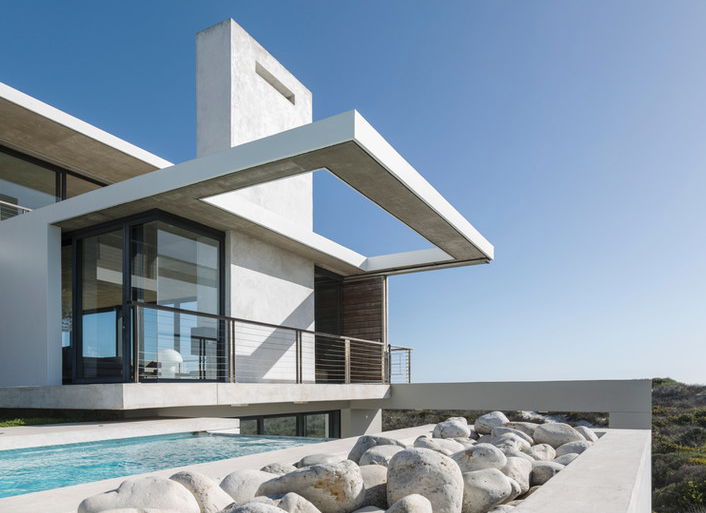
Microscopic pores and the peaks and valleys of the substrate can hold moisture, atmospheric soil and organic contamination. LOTUS Stone and LOTUS Concrete are selected around the exact material, existing finish and absorption behavior, then verified in a representative test area.
Detailed assemblies
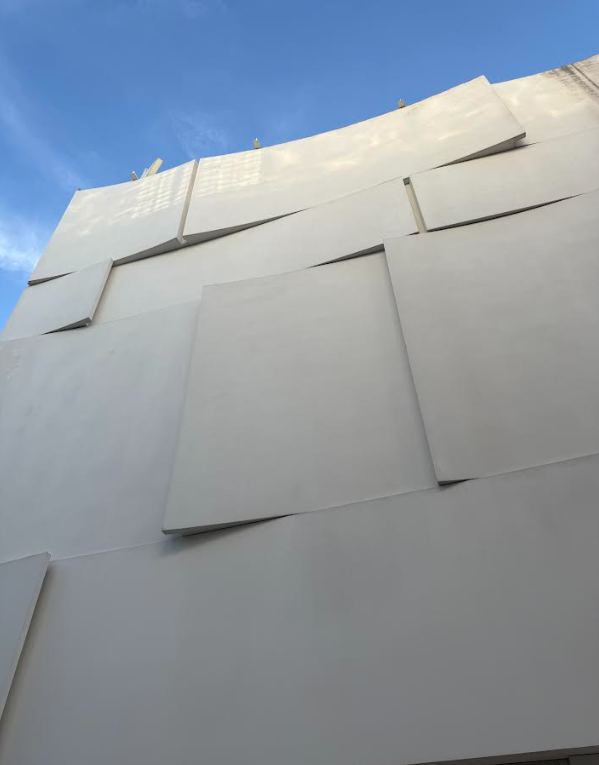
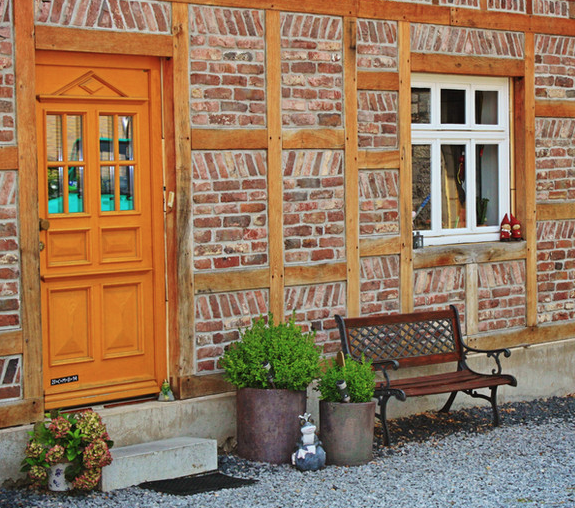
Joints, edges, screens and projecting elements create more places for runoff and grime to collect. LOTUS Metal and LOTUS Wood focus on easier release and a gentler recurring-care plan for compatible finished surfaces.
Mixed-material architecture
A monumental building or custom residence may combine polished and porous surfaces within inches of one another. LOTUS treats the façade as a system: identify each material, protect adjacencies and apply only the product designed for that substrate.
Protection by material
LOTUS Glass currently carries the deepest technical, coverage and application documentation. Every system requires substrate confirmation and a representative test area before full production.
Professional selection and installation
Confirm the substrate, existing finish, porosity, condition, exposure and maintenance history.
Review compatibility, prepare a representative test area and agree on the visual standard.
Follow the system-specific preparation, application, finishing, cure and owner-care procedure.
Pricing & distribution
Available in 32 oz spray bottles for smaller projects and 4 L containers for larger applications. Five-gallon totes are coming soon. Call for system selection, pricing, distribution or Certified LOTUS Applicator training.